The data gap between online and in-store fashion retail, and how to close it
Online stores know what people looked at and left behind. Physical stores mostly know what sold. How try-on, questions and opt-in profiles close the gap, and what to do with what you learn.
An online store knows a remarkable amount about every visit: which products were viewed, which were added to the bag and taken out again, what was searched for and not found. A physical store, for most brands, knows what sold. Everything that happened between the shopper walking in and paying is gone.
That is a strange gap, because the store is where the most telling moments happen. Someone holds a dress up, tries it on, asks whether it works for a wedding, and puts it back. That hesitation is exactly what a merchandiser or a designer would want to know about, and it leaves no trace.
What a store can learn when shoppers try pieces on screen
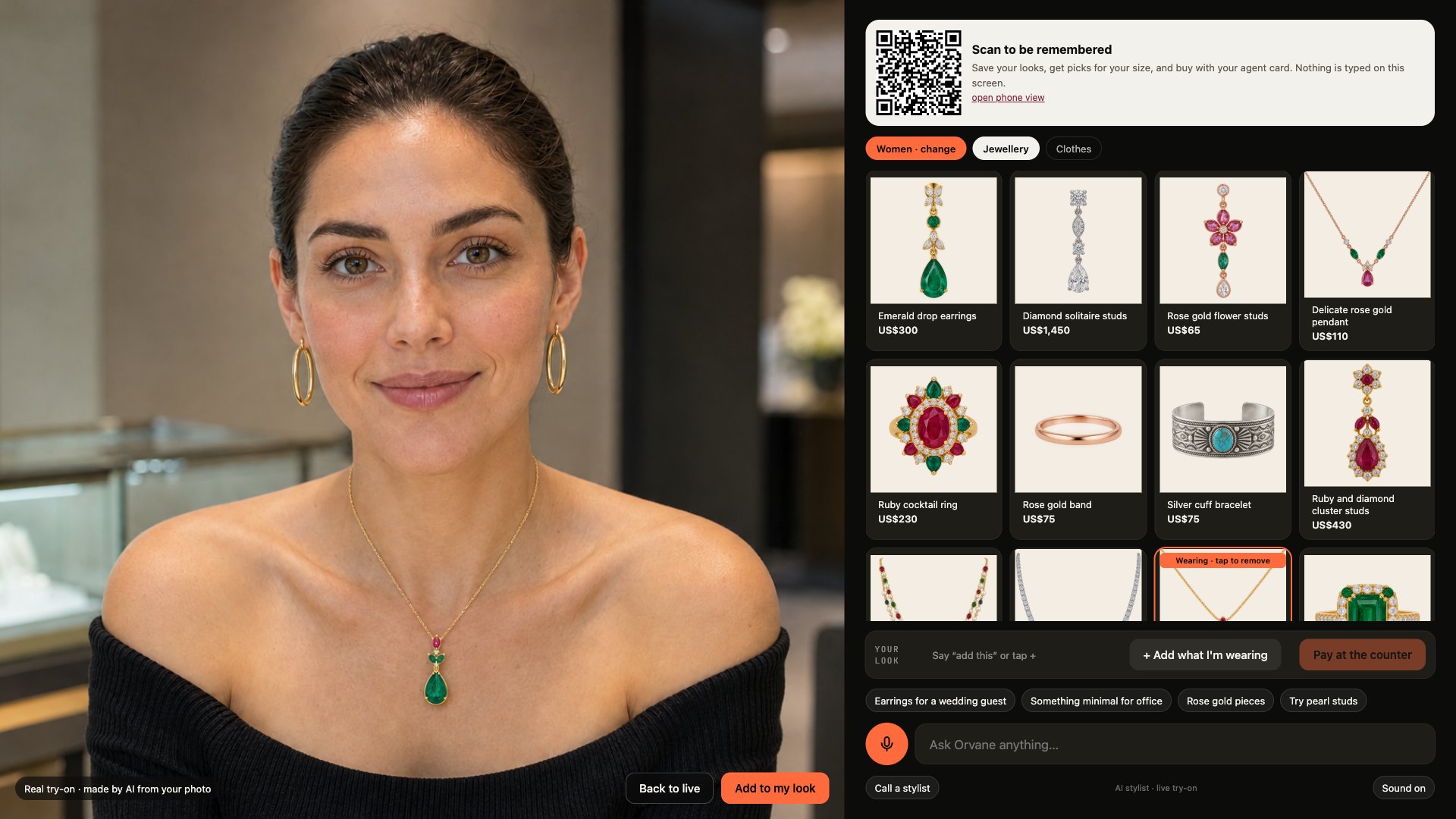
When the trying-on happens on a screen, the store finally sees the parts of the visit it used to miss.
- What was tried, and what was tried and put back. A piece tried two hundred times and bought twelve times is telling you something, about its fit, its price or how it is styled.
- What shoppers asked for. "Something for a client dinner." "A gala look under a thousand." The questions shoppers ask out loud are a direct line to demand.
- What they couldn't find. When the stylist has nothing in stock that answers a question, that is a gap in the range, recorded at the moment it happened.
- What they kept. Which looks went to a phone, which photos were saved, and what was finally bought at the counter.
Turning signals into decisions
Data is only useful if it changes what the brand does. Three loops matter most.
From questions to trends
Ateliq drafts a weekly trend board for each city from fashion press and social coverage. Combined with what local shoppers actually asked for and tried, the board reflects the real demand in front of your screens, not just what is fashionable in general. The brand approves the board before the stylist uses it.
From gaps to designs
When the same request goes unanswered week after week, such as a colour, a cut, an occasion or a price point, it becomes a design brief. Ateliq drafts concepts in the brand's own style, and because they can be shown on the mirror, the brand can see which ones shoppers would try before anything is sampled.
From visits to relationships
Shoppers who choose to be remembered build a style profile: their size, the occasions coming up, what they love and what they nearly bought. The stylist greets them by name next time. Between visits, Ateliq can tell them when the piece they tried is back in their size.
Doing it with consent
None of this needs surveillance. In Ateliq, tracking runs on the screen and nothing is recorded. Profiles exist only for shoppers who opt in, and they can see, change or delete everything kept about them from their phone. Ateliq never infers race, ethnicity or weight. Being open about this is part of why shoppers are happy to use the screens at all.
The compounding part
Each week's insight feeds the next week's trend board and the next design brief, which shapes what shoppers try, which produces the next insight. A store that runs that loop for a season knows its customers in a way that the till alone could never tell it.